The Last Loonie in the Till: Inside the Corner Stores That Keep Toronto's Side Streets Alive
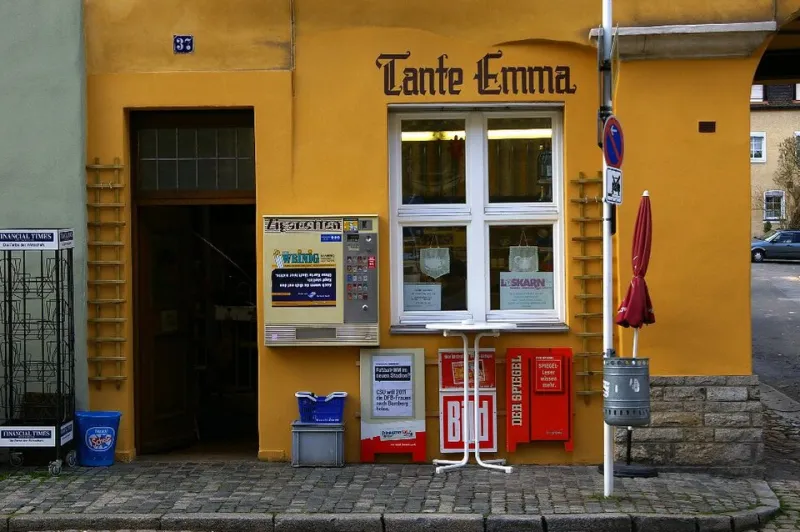
Photo: Reinhard Kirchner, CC BY-SA 3.0, via Wikimedia Commons
There's a moment every winter, usually around 9 p.m. when the snow starts coming down sideways, when the big-box stores are locked up tight and the delivery apps are surging — and that's exactly when the corner store earns its keep.
Ask anyone who's lived on a residential block in this city long enough. The independent shop at the end of the street isn't really selling bread and batteries. It's selling the answer to a hundred small emergencies a week.
Open When Nothing Else Is
Samir, who's run a small grocery near Ossington for over two decades, puts it simply: "The supermarket closes at nine. I close when the last customer stops coming." That's not a business strategy you'll find in a franchise manual, but it's the unofficial operating model for hundreds of family-run shops across the GTA.
His regulars include the construction crew grabbing coffee at 6 a.m., the parent sprinting in for a missing dinner ingredient at 7 p.m., and the night-shift nurse who needs cough syrup at midnight. "You can't Google that kind of loyalty," he laughs.
What the Numbers Don't Capture
On paper, the odds look brutal. E-commerce keeps growing, minimum wage and rent keep climbing, and the big chains can undercut on price. Yet independent convenience and hardware shops keep hanging on — and in some neighbourhoods, multiplying.
Why? Because their value isn't in the price tag. It's in the things a spreadsheet can't measure:
- The tab. Plenty of owners still let a trusted regular pay tomorrow, no app required.
- The intel. Lost cat, burst pipe, who does good renovations — the shopkeeper usually knows before anyone else.
- The hold. A package waiting behind the counter. A birthday cake kept aside. Small favours, big loyalty.
- The eyes on the street. Police and community groups alike will tell you: a lit storefront at 11 p.m. is a safety feature.
The Hardware Store That Won't Quit
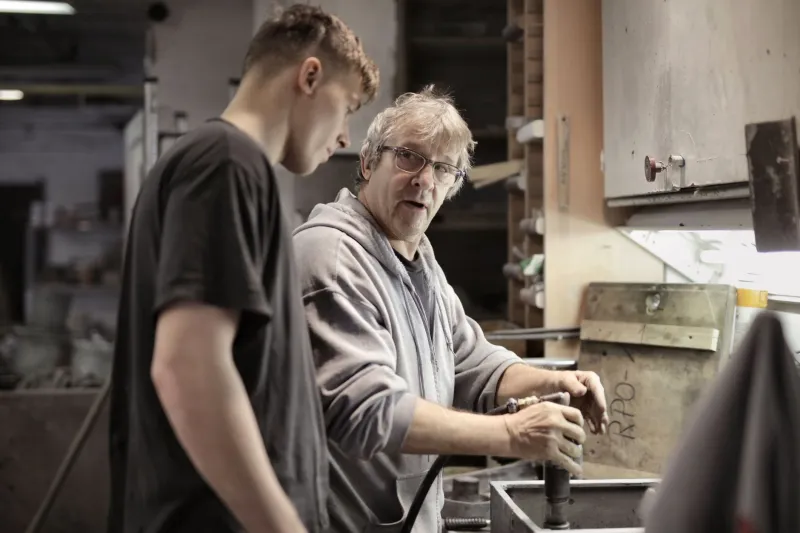
Over in the east end, a family hardware shop that's been operating since the 1970s has survived at least three "retail apocalypse" headlines. The owner's secret? He stocks what the neighbourhood actually uses — snow shovels in January, tomato cages in May, and a wall of tiny screws that no big-box employee will help you find.
"People come in with a photo of a broken part on their phone," he says. "The big stores want you to buy a whole new thing. I find the part. That's the whole business."
Passing It Down, Not Selling Out
A quiet pattern keeps repeating: the kids who worked the register as teenagers are now taking over. Some turned down corporate careers to run a shop their parents built. It's not nostalgia driving the decision — it's the realization that a store with 40 years of goodwill is a genuine asset, one no algorithm can replicate.
One second-generation owner near Eglinton put it this way: "We know three generations of some families. The grandmother shopped here. Now her grandkids come in after school. You think a warehouse can compete with that?"
The Connective Tissue Argument
Urbanists have a term for it — third places — but the people behind the counters don't use jargon. They just know that when a shop closes, the block changes. Foot traffic drops. The street feels a little less watched, a little less known.
So the next time you're tempted to order a $4 item for next-day delivery, consider the lit storefront down the street instead. The loonie you spend there does more than buy a chocolate bar. It keeps a light on for the whole neighbourhood.
And in a city changing as fast as this one, that's worth something.