Don't Wait for the Flood: Why GTA Homeowners Are Finally Getting Serious About Preventative Trades Work
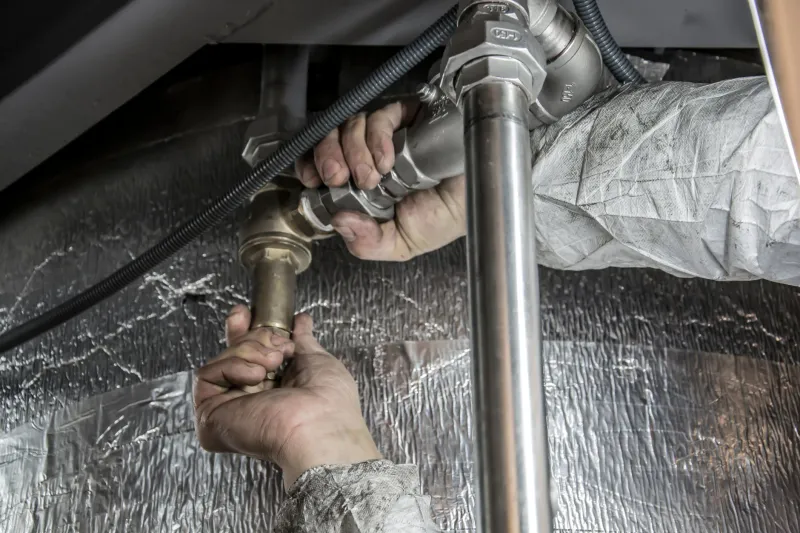
There's a particular kind of dread that hits a Toronto homeowner on a Sunday night in January when the furnace stops. Or when the basement starts smelling like something that definitely shouldn't be there. Or when a breaker trips and just... doesn't come back. By that point, you're not calling a professional — you're calling anyone who picks up. And you're paying whatever they ask.
It doesn't have to go that way.
A quieter shift is happening across the GTA. Homeowners, landlords, and small business operators are starting to treat their trades relationships the way they treat their dentist appointments — regular, scheduled, and genuinely preventative. The emergency call is becoming less common for the people who've figured this out. We spoke with experienced plumbers, electricians, and HVAC specialists working across Toronto, Mississauga, Brampton, Markham, and beyond to find out what they wish every client understood before something breaks.
The Stuff That Goes Wrong Was Always Going Wrong
Mike, a licensed plumber who's been working in North York and Etobicoke for over 18 years, puts it plainly: "Most of the disasters I get called for didn't happen overnight. The signs were there for months, sometimes years. A slow drain that keeps slowing down. A toilet that runs a little longer than it should. Discolouration around a fitting under the sink. People just learn to live with it until they can't."
He's not wrong. The GTA's housing stock is a patchwork of eras — Victorian rowhouses in Leslieville, postwar bungalows in Scarborough, 1980s builds in Vaughan, glass condos downtown. Each comes with its own quirks and its own failure points. Older homes often have galvanized pipes that have been quietly corroding for decades. Newer builds sometimes have shortcuts baked in from high-volume construction. None of it is obvious unless you know what you're looking for.
For plumbing specifically, the pros we spoke to flagged a few recurring culprits: water pressure that's crept too high (which slowly damages every fixture and joint in the house), water heaters that are past their service life, and backwater valves that haven't been inspected since installation. That last one matters a lot in low-lying GTA neighbourhoods that flood regularly during heavy rainfall — and with the kind of storms the region has been seeing lately, it matters more than ever.
Electrical: The Risk Nobody Wants to Think About
Electricians have a saying that doesn't translate well to polite dinner conversation, but the gist is this: the electrical problems that kill people are usually the ones nobody knew about.
Sandra, a master electrician based in Mississauga who also does regular work in Hamilton and Oakville, spends a significant portion of her year doing panel inspections and whole-home assessments for clients who aren't having any obvious problems. "That's actually when I find the scariest stuff," she says. "Aluminum wiring that was never properly updated. Panels that are technically functional but running way hotter than they should. DIY work from a previous owner that's been buried in a wall for 20 years."
The GTA's condo boom has added another layer to this. Older condo buildings are running electrical infrastructure that was designed for a fraction of the load modern suites put on it. EV chargers, home offices, high-draw appliances — the grid inside many buildings simply wasn't built for this. Sandra recommends condo owners push their boards to schedule regular electrical audits, not just wait for the building's mandated inspections.
For homeowners, she suggests starting with the panel. "If you haven't had an electrician look at your panel in the last five years and your house is more than 20 years old, that's the first call to make. Not because something's definitely wrong — but because you want to know either way."
HVAC: The System That Works Until It Really Doesn't
Toronto's climate is legitimately brutal from both ends. Furnaces work hard from November through March. Air conditioners get hammered from June through September. That leaves a pretty narrow window in spring and fall where neither system is under pressure — and that's exactly when HVAC technicians want to see you.
Darren runs a small HVAC operation out of Pickering that covers much of Durham Region and east Toronto. He's been doing this for 22 years, and his most consistent piece of advice is almost embarrassingly simple: book your furnace check in September and your AC check in April. "Nobody wants to hear this until they're sweating in July waiting for a part that's backordered, or they're calling me at 11 PM in February because their heat exchanger cracked," he says. "But if I see those systems twice a year, I can usually tell you six months before something fails that it's going to fail."
He also points to something that doesn't get enough attention: indoor air quality. Filters that aren't changed regularly, HRVs that aren't maintained, humidifiers that develop mould — these aren't dramatic failures, but they affect the health of everyone living in the home. For families with young kids or anyone with respiratory issues, this stuff isn't optional.
Building the Relationship Before You Need It
The through-line in every conversation we had with GTA trades professionals was this: the clients who fare best aren't the ones who have the newest homes or the most expensive systems. They're the ones who have a name in their phone.
Knowing a plumber, electrician, or HVAC tech before you're in crisis mode changes everything. You're not googling frantically at midnight. You're not accepting whoever shows up and agreeing to whatever price they quote because you have no other option. You have someone who knows your house, knows its history, and can give you a straight answer.
Finding that person in the GTA isn't always easy — good tradespeople are genuinely busy, and the best ones often don't advertise much. Word of mouth from neighbours and community groups remains the most reliable method. Local business directories and neighbourhood networks are increasingly useful for this kind of search too, particularly for newer residents who haven't yet built up that informal rolodex.
The Maths Are Pretty Clear
A routine HVAC service call runs somewhere in the $100–$200 range. A plumbing inspection might be similar. An electrical panel assessment could land between $150 and $300 depending on the scope. These are not small expenses, but they are predictable ones.
A flooded basement in a Toronto semi can cost anywhere from $10,000 to $50,000 depending on what's damaged and whether you have the right insurance coverage. An electrical fire is incalculable. A failed furnace in February means hotel rooms, space heaters, and a repair bill that comes with emergency-rate labour on top.
The calculus isn't complicated. The hard part is making the appointment before anything feels urgent — which is, of course, exactly when it should be made.
The GTA's trades community has the expertise. What they need from homeowners is the chance to use it before the ceiling is coming down.