Paws, Referrals, and Zero Corporate Markup: How GTA Pet Owners Are Building Their Own Care Networks
Anyone who's taken a dog to one of those gleaming, logo-heavy pet care chains knows the drill. You wait forty minutes past your appointment time, see a different vet tech every visit, and walk out clutching a receipt that feels more like a mortgage statement. Then you get home and realize your dog still hates baths.
Something is shifting in the GTA, though. Pet owners across Toronto, Mississauga, Scarborough, and the surrounding suburbs are quietly building their own informal networks — swapping names, warning each other off bad experiences, and championing the small operators who actually remember your cat's name without checking a screen.
It's not happening through a slick app. It's happening the old-fashioned way: in Facebook groups, on front porches, at the dog park, and in those long text threads between neighbours.
The Problem with Pet Chain Markup
Let's be honest about what's driving this shift. The cost of pet ownership in Canada has climbed sharply over the past several years, and the corporate franchise model hasn't exactly helped. Big-box grooming studios and vet chains carry significant overhead — prime retail locations, branded uniforms, national marketing budgets — and those costs get passed directly to pet owners.
A standard grooming session for a medium-sized dog at a franchise location in the GTA can run anywhere from $90 to $140 before tip. Routine vet visits at corporate clinics often come bundled with upsells — dental packages, preventative add-ons, branded food recommendations — that push a simple check-up well past the $300 mark.
Independent operators, working out of home studios, small storefronts, or private clinics, often charge meaningfully less. Not because they're cutting corners — frequently it's the opposite — but because their cost structure is leaner and their motivation is reputation, not quarterly targets.
Word-of-Mouth as a Vetting System
Here's what's interesting about the GTA's informal pet care network: it functions as a surprisingly rigorous quality filter.
When a groomer gets recommended in a Leslieville pet owners' group or a Brampton neighbourhood forum, that recommendation carries weight. People aren't casually endorsing someone they've used once. They're putting their social capital behind it. And if a business turns out to be subpar, that feedback circulates just as fast.
One Etobicoke dog owner described finding her current vet through a chance conversation at Centennial Park. A woman walking a Bernese Mountain Dog mentioned a small independent clinic nearby — one that didn't have a website worth speaking of, barely showed up in Google results, but had been quietly serving the community for over a decade. The first appointment was half the price of her previous clinic. The vet remembered her dog's name at the second visit without looking it up.
That kind of detail matters more than people admit.
What Independent Groomers Are Actually Offering
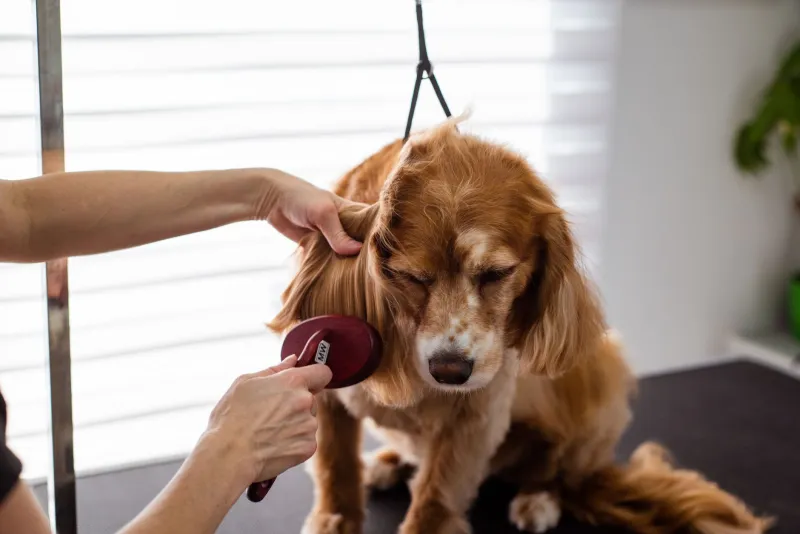
Boutique grooming studios — often run by a single certified groomer or a small team — are where a lot of the word-of-mouth energy is concentrated right now. These aren't just cheaper alternatives. Many of them offer things the franchise model structurally can't.
For anxious or reactive dogs, smaller studios mean fewer animals in the space at once, lower noise levels, and groomers who can take their time. Several independent groomers in the GTA have built entire clienteles around dogs that were turned away or stressed out at chain locations — dogs with mobility issues, seniors, or breeds that require patience and specialized handling.
Some operate appointment-only, which eliminates the chaotic drop-in energy of big-box grooming floors. Others have invested in fear-free certification, a growing credential in the pet care world that signals a commitment to low-stress handling techniques.
For cat owners, the independent scene is particularly valuable. Most franchise groomers are dog-centric by design. Independent cat-only groomers — a niche but growing category in the GTA — have been building loyal followings through referral almost exclusively, since their businesses rarely show up prominently in search results.
The Trainer Question
Dog training is another area where the corporate model has real limitations. Big-box pet store training classes are often taught by staff with minimal credentials, following a standardized curriculum regardless of the individual dog's needs or temperament.
Independent trainers in the GTA — particularly those with certifications from recognized bodies like the International Association of Animal Behavior Consultants or the Certification Council for Professional Dog Trainers — are frequently booked out weeks or months in advance. Their reputation travels through referral networks so effectively that many don't advertise at all.
What they offer is customization. A trainer who works independently can assess your specific dog, your household dynamics, your lifestyle, and build something that actually fits. That's a different product than a six-week group class with fifteen other dogs and a laminated handout.
Finding these trainers usually means asking around. Check in with your vet, your groomer, the regulars at your local off-leash park. The GTA's pet owner community is more connected than it looks from the outside.
How to Tap Into the Network
If you're new to the area, or just new to pet ownership, breaking into these informal referral circles can feel opaque. A few practical entry points:
Local Facebook and Reddit communities are a good starting place. Search for your specific neighbourhood or borough — groups for Riverdale, North York, Burlington, and Pickering pet owners all exist and are active. Ask directly for recommendations and you'll usually get a flood of responses, often with specific context about why a particular provider stood out.
Your building or street is underrated. Dog owners especially tend to know each other. A simple conversation in the elevator or on the sidewalk can surface a groomer or vet that's been serving the block for years.
Local pet supply stores — the independent ones, not the chains — often function as informal community hubs. Staff frequently know the local care landscape well and will point you toward providers they've heard good things about.
Ask your vet for groomer referrals and vice versa. Good independent operators in the GTA often refer within their networks, and a recommendation from a trusted vet carries real signal.
The Bigger Picture
What's happening in the GTA pet care world is a version of something playing out across a lot of local service categories. Residents are becoming more skeptical of the franchise promise — the idea that standardization equals quality — and more interested in the kind of relationship-based service that smaller operators naturally provide.
Your pet can't tell you when a vet rushed through an exam or a groomer handled them roughly. But the people in your neighbourhood who've been taking their animals to the same independent clinic for eight years can. That knowledge, passed through informal networks, is genuinely valuable — and it's free.
The GTA's pet care underground isn't really underground at all. It's just running on a frequency that doesn't show up in sponsored search results. Once you tune in, it's hard to go back.