Passing the Torch: How GTA Tradespeople and Artisans Are Mentoring the Next Wave of Skilled Workers
There's a quiet crisis unfolding in the GTA's skilled trades sector — and it doesn't make the headlines nearly as often as it should. Electricians, plumbers, carpenters, welders, and custom fabricators are aging out of the workforce faster than new talent can replace them. The numbers aren't great. But tucked inside that problem is something genuinely hopeful: a growing network of experienced professionals who are taking matters into their own hands, mentoring young workers through direct, hands-on relationships that no corporate training program could replicate.
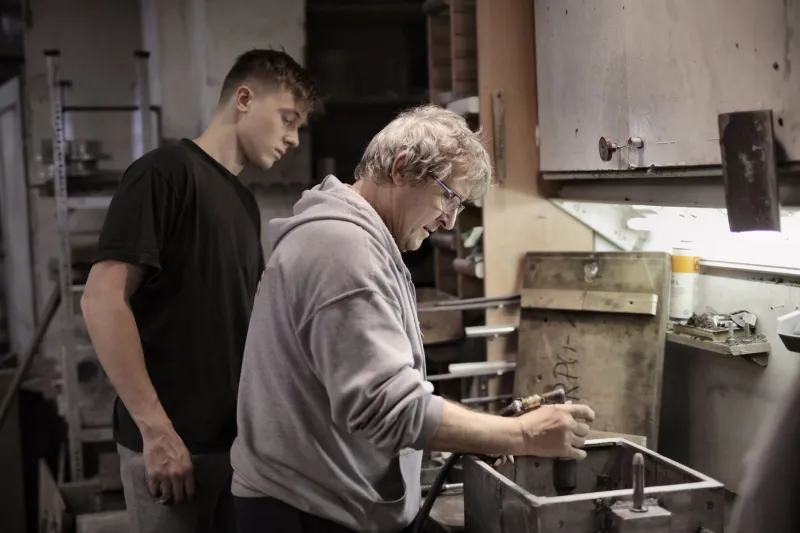
These aren't formal academies or expensive bootcamps. More often, they're job-site conversations, weekend workshops in someone's garage in Scarborough, or a veteran roofer in Brampton who decided to bring a neighbour's kid along for the summer and never really stopped teaching.
The Gap Nobody Wants to Talk About
The skilled labour shortage in Ontario isn't new, but it's getting harder to ignore. According to BuildForce Canada, the construction sector alone is expected to need tens of thousands of new workers over the next decade just to replace retirees — and that doesn't account for the infrastructure and housing demand the GTA is already scrambling to meet.
What's interesting is that many of the most effective responses to this gap aren't coming from government programs or large employers. They're coming from individual tradespeople who got tired of waiting for someone else to fix the pipeline.
"I got my start because an older electrician took a chance on me when I was 19," says Marco, a master electrician based in Etobicoke who now runs a small crew and has informally trained four apprentices over the past decade. "Nobody handed me a manual. He just showed me, corrected me, and trusted me with more responsibility when I earned it. That's the only way this stuff actually sticks."
Marco's approach isn't unusual in the GTA's trades community. What's changed is that more of these informal arrangements are becoming deliberate — structured enough to give young workers real credentials and career momentum, but personal enough to actually work.
Learning on the Job, the Real Way
Formal apprenticeship programs through Ontario's College of Trades (now integrated into Skilled Trades Ontario) provide a legitimate pathway into licensed trades. But the paperwork and wait times can be discouraging, especially for young people who aren't sure they're ready to commit. That's where informal mentorship fills a critical gap.
Take Priya, a 24-year-old from Mississauga who stumbled into custom tile work after a neighbour — a retired contractor — invited her to help renovate his kitchen for a few weekends. "I thought it would just be something to do," she says with a laugh. "Three years later, I'm running my own jobs. He never charged me a thing. He just wanted to see someone carry it forward."
Priya has since registered as an apprentice through the formal system, but she credits those early weekends as the real foundation. "The program teaches you the theory and the safety standards, which you absolutely need. But the hands-on confidence? That came from someone who actually cared whether I got good at it."
This dual-track approach — informal mentorship feeding into formal certification — is becoming a recognizable pattern across the GTA. Young workers get their footing through personal relationships, then formalize their credentials once they know the path is right for them.
Beyond the Trades: Artisans and Service Pros Doing the Same Thing
It's not just construction and electrical work. The same dynamic is playing out across a surprising range of industries. Custom furniture makers in the Junction are bringing on young woodworkers. Established caterers in North York are mentoring aspiring chefs who couldn't afford culinary school. Independent auto shops in Ajax are teaching diagnostic skills to teenagers who grew up watching YouTube tutorials but needed someone to actually show them what a worn bearing feels like.
Dominic, who runs a small upholstery shop in East York, has had six young people come through his workshop over the past eight years. "Most of them found me through Instagram or just walked in off the street," he says. "I don't have a hiring budget. But if someone wants to learn and they're willing to put in the time, I can always find a use for an extra set of hands."
He's careful to point out that it's not entirely altruistic. "Honestly, a good apprentice makes my business better. They catch things I miss. They bring energy. And when they eventually go out on their own, they send me referrals. It's a long game, but it pays off."
What Young Workers Actually Need
Talk to enough apprentices and a few themes come up again and again. They want mentors who treat them like adults. They want to be trusted with real tasks, not just grunt work. And they want someone who's honest about the hard parts — the physical toll, the slow seasons, the client headaches — without sugarcoating the reality of running a trade-based business.
"The best thing my mentor did was show me his invoices," says Kevin, a 26-year-old HVAC technician from Vaughan. "Not to brag — just to show me what was possible and what it actually cost to get there. That transparency was worth more than any textbook."
For mentors, the reward is often less tangible but no less real. Many describe a sense of obligation — a feeling that the skills they carry shouldn't retire when they do.
How the GTA Is Quietly Building Its Own Talent Infrastructure
What's emerging across the Greater Toronto Area is something that doesn't have an official name yet. It's not a program. It's not a policy. It's a distributed network of experienced professionals who've decided that waiting for institutions to solve the skilled labour shortage isn't a viable option.
Community centres in Scarborough are hosting trades exploration nights. Facebook groups in Brampton connect young workers with local contractors willing to take on first-timers. Some BIAs are even starting to facilitate introductions between established business owners and job-seekers looking for a foot in the door.
None of it is perfect. There are gaps in oversight, inconsistency in what apprentices learn, and real questions about how to ensure young workers are protected and properly compensated. But the momentum is real — and it's building from the ground up, the way most things worth keeping tend to do.
If you're a young person in the GTA trying to find your way into a skilled trade or a hands-on career, the advice from nearly everyone in this space is the same: stop waiting for the perfect program and start looking for the right person. They're out there — probably working a job site near you, and probably more willing to talk than you'd expect.