Before the Cold Hits: GTA Contractors Reveal What Every Homeowner Should Do Right Now
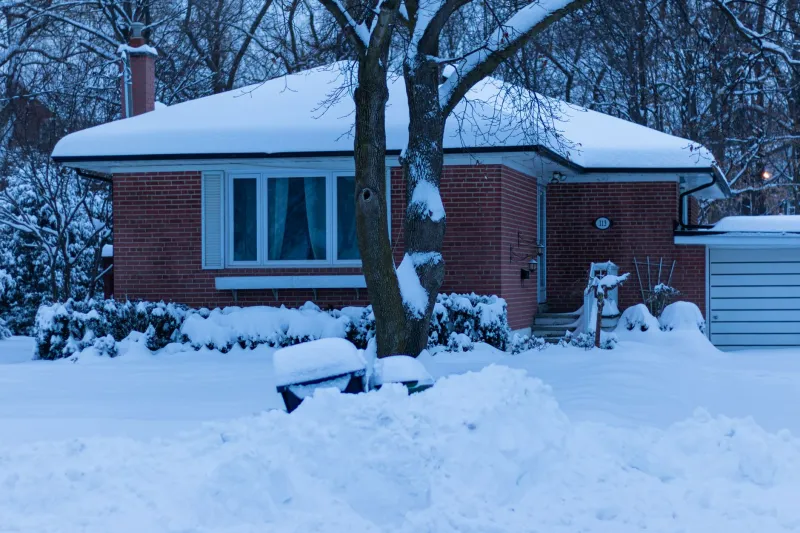
If you've lived through even one Toronto winter, you already know the drill. The temperature nosedives, the wind off Lake Ontario turns vicious, and suddenly every small thing you meant to fix in October becomes an expensive emergency in January. The good news? Local tradespeople say most of the damage is completely preventable — if you act early enough.
We reached out to contractors, HVAC technicians, and insulation specialists working across the Greater Toronto Area to find out what they actually tell their friends and family — not just their clients — about getting a home ready for the season ahead.
The HVAC Check Nobody Books Until It's Too Late
Ask any heating technician in the GTA what their busiest week of the year looks like, and you'll hear the same answer: the first genuinely cold snap in November. That's when furnaces that haven't run since March suddenly get switched on — and a surprising number of them don't cooperate.
"We get slammed every single year around the same time," says one Mississauga-based HVAC technician who's been serving the west GTA for over a decade. "People wait until they're freezing to call us, and then we're booked solid for two weeks. Book your annual furnace inspection in September or early October. Seriously. It's a $100 to $150 visit that can save you from a $3,000 emergency replacement in the middle of a cold snap."
Beyond scheduling, contractors stress the basics: replace your furnace filter (most homeowners do this far less often than recommended), check that your thermostat is reading accurately, and make sure your vents aren't blocked by furniture or rugs. These sound obvious, but they're the first things technicians find wrong when they arrive for a no-heat call.
For homes with older systems — anything pushing 15 years or more — it's worth having an honest conversation with your technician about efficiency and lifespan. Upgrading to a high-efficiency model isn't cheap upfront, but several Ontario rebate programmes through Enbridge Gas and the federal government's Greener Homes Grant can offset the cost significantly.
What's Happening in Your Attic (And Why It Matters)
Here's something a lot of GTA homeowners don't think about until they see ice dams forming along their eaves in February: heat loss through the attic is one of the single biggest energy drains in a Canadian home. And in older Toronto neighbourhoods — think pre-war semis in the east end, postwar bungalows in Etobicoke or Scarborough — inadequate attic insulation is almost the norm.
"I'd say a good 60 to 70 percent of the homes I assess in older parts of the city don't have enough insulation up top," explains an insulation contractor based in North York who works primarily in Toronto's inner suburbs. "They're losing heat constantly, their furnaces are working overtime, and they're wondering why their hydro bills are so high."
The recommended insulation level for attics in Ontario is R-60, but many homes sit well below that. Adding blown-in insulation is one of the more affordable upgrades available — depending on the size of your attic, costs can range from $1,500 to $4,000 — and the payback in reduced heating bills typically comes within a few years.
While you're thinking about the attic, don't overlook air sealing. Gaps around pot lights, plumbing stacks, and attic hatches let warm air escape constantly. A good insulation contractor will address these before laying down any new material.
Your Roof: The Part Everyone Ignores Until It Leaks
Roofers across the GTA will tell you that late autumn is when they start seeing the consequences of deferred maintenance. Shingles that were "probably fine" through the summer become a liability the moment freeze-thaw cycles begin.
"Water gets under a lifted or cracked shingle, freezes, expands, and forces that gap wider," says a roofing contractor who covers a service area from Burlington to Ajax. "By spring, what could have been a $300 repair is now a $3,000 section replacement. Or worse, you've got water damage in your attic you didn't even know about."
He recommends homeowners do a visual inspection from the ground using binoculars before the first hard frost — look for curling, missing, or visibly damaged shingles, and check the flashing around chimneys and vents for signs of rust or separation. If anything looks off, don't put it off. Roofing contractors are significantly less busy in October than they will be come spring.
While you're at it, clean your eavestroughs. Blocked gutters cause ice dams, which back water up under your shingles and into your walls. It's a five-hour job you can do yourself or hire out for a few hundred dollars. Either way, it's worth it.
How to Find a Tradesperson You Can Actually Trust
Of course, all this advice only helps if you can find reliable people to do the work. In a city as large and fragmented as the GTA, that's genuinely easier said than done.
Local contractors consistently recommend the same vetting approach: ask for referrals from neighbours (neighbourhood Facebook groups and apps like Nextdoor are genuinely useful here), check that whoever you hire is licensed and insured in Ontario, and always get at least two or three written quotes before committing.
Be wary of door-to-door contractors offering deeply discounted work, particularly after storm events. While not universally shady, high-pressure sales tactics and requests for large cash deposits upfront are both red flags worth heeding. The Tarion Warranty Corporation and the Ontario College of Trades are both good resources for verifying credentials.
For HVAC specifically, look for technicians certified by the Technical Standards and Safety Authority (TSSA). It's a legal requirement in Ontario, but not everyone follows it — and you want to know before they start working on your furnace.
Don't Wait for the First Snowfall
The theme running through every conversation we had with GTA tradespeople was the same: timing is everything. The window between late summer and mid-October is when contractors have availability, pricing is stable, and the stakes are low enough that you're making proactive choices rather than reactive ones.
Once the cold sets in, you're competing with every other homeowner who also waited. Prices go up, availability drops, and the stress of a broken furnace or a leaking roof during a snowstorm is something no one wants to deal with.
Your home is almost certainly your biggest investment. A few hundred dollars and a couple of weekend afternoons spent on seasonal prep now can save you thousands — and a lot of headaches — when January rolls around.